


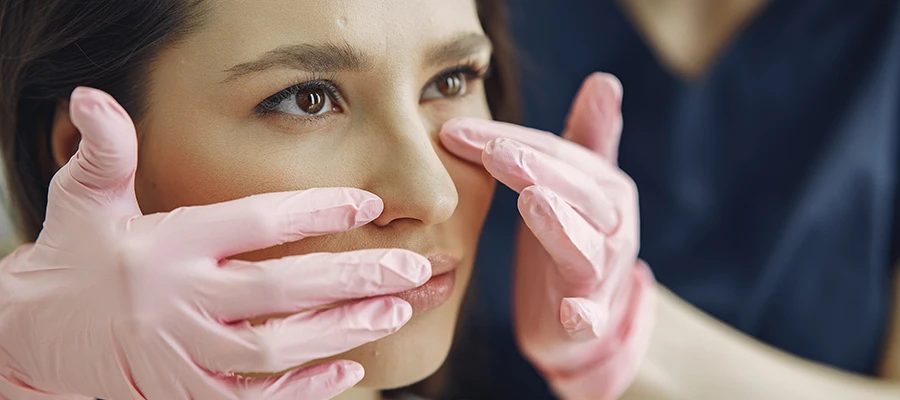
What Is Rhinoplasty (Nose Surgery)?
Rhinoplasty is a surgical procedure that improves the shape of the nose and, when necessary, breathing function. Nose surgery aims to create a nasal appearance that is more harmonious with facial proportions. In this procedure, the nasal hump, nasal tip, nasal bridge or nostrils may be reshaped. Rhinoplasty is not performed only for aesthetic purposes.
Breathing problems, nasal deviation and deformities after trauma may also be evaluated. For a successful result, facial structure, skin thickness and expectations should be analyzed together. Rhinoplasty should be planned individually. Each patient’s nasal structure and healing process are different.
How Is Rhinoplasty Performed?
Rhinoplasty is performed by reshaping the bone and cartilage structure of the nose using open or closed techniques. The surgery is usually performed under general anesthesia. In the closed technique, incisions are made inside the nose. In the open technique, a small incision is made between the nostrils.
The surgeon reshapes the nasal bridge, nasal tip and internal support structures. If necessary, septum deviation can also be corrected in the same session. During rhinoplasty, the aim is to create a natural, balanced and functional nose. At the end of the procedure, a splint, tape or nasal packing may be used. The method applied is determined according to the patient’s needs.
Who Can Have Rhinoplasty?
Rhinoplasty can be performed on people whose nasal development is complete and whose general health condition is suitable. People who are not satisfied with the shape of their nose may be evaluated for this procedure. Patients with breathing problems may also be candidates for rhinoplasty.
Surgery may be considered if there is nasal bone deviation, a nasal hump or nasal tip drooping. The person’s expectations should be realistic. The decision for surgery should not be based only on aesthetic desire. Skin structure, facial proportions and medical history are evaluated together. Examination before rhinoplasty is important to determine the most accurate plan.
Recovery Process After Rhinoplasty
The recovery process after rhinoplasty usually begins with noticeable swelling and bruising in the first week. In the first days, nasal congestion, mild pain and swelling may occur. Keeping the head elevated as recommended by the doctor supports healing. At the end of the first week, the splint or tapes may be removed.
Most people return to social life within a short time. However, it takes time for the nasal tissues to fully settle. Nasal tip swelling may decrease later, especially compared to other areas. After rhinoplasty, care should be taken regarding heavy sports, trauma and eyeglass use. Follow-up appointments should not be neglected.
Situations Where Rhinoplasty Should Not Be Performed
Rhinoplasty should not be performed on people who have serious health risks or who are not suitable for surgery. Uncontrolled diabetes, bleeding disorders and severe heart disease may create risks. If there is an active infection, surgery should be postponed. Smoking may negatively affect healing. Therefore, it is recommended to stop smoking before surgery.
People with unrealistic psychological expectations should be evaluated carefully. It may not be appropriate to perform an aesthetic procedure before nasal development is complete. The decision for rhinoplasty must be made after a specialist examination. The patient’s general condition, medication use and previous surgeries should be reviewed in detail.
What Are The Possible Risks Of Rhinoplasty?
The risks of rhinoplasty include bleeding, infection, swelling, breathing problems and the possibility of revision. As with every surgical procedure, there may be risks related to anesthesia. Bruising, numbness and temporary nasal congestion may occur after surgery.
In some patients, the desired aesthetic result may not fully develop. In rare cases, septal perforation or healing problems may occur. Following care instructions after rhinoplasty reduces risks. Surgeon selection, surgical planning and regular check-ups affect the result. In case of unexpected pain, heavy bleeding or fever, a doctor should be consulted.
Rhinoplasty (Nose Surgery) Prices 2026
Rhinoplasty prices in 2026 vary depending on the patient’s needs, the technique and the scope of the surgery. Nose surgery prices are not fixed. The cost may be affected by whether it is a primary surgery, revision surgery or functional correction. Hospital conditions, anesthesia process and the technique used also determine the price.
In some patients, septum deviation or breathing problems are addressed in the same session. This may change the planning. For rhinoplasty prices, a personalized evaluation is required after examination. The most accurate information is provided after nasal analysis and an expectation consultation. A decision should not be made based only on price.
Frequently Asked Questions
How Long Does Rhinoplasty Surgery Take?
Rhinoplasty surgery usually takes between 2 and 4 hours. The duration of surgery varies depending on the nasal structure and the procedures to be performed. Simple shape corrections may take less time. Revision surgeries or additional procedures aimed at breathing function may take longer.
During surgery, the surgeon carefully reshapes the nasal bones, cartilage and support structures. Proper planning and safe application are more important than the duration of rhinoplasty. After surgery, the patient is kept under observation for a while. The discharge decision is made according to the general condition.
When Does The Nose Settle After Rhinoplasty?
After rhinoplasty, the nose usually settles significantly within 6 months to 1 year. Swelling is noticeable in the first weeks. Over time, the nasal bridge and nasal tip become clearer. Healing may take longer in people with thick skin. Nasal tip swelling may decrease later than other areas.
Small shape changes in the first months are normal. It may not be right to evaluate the rhinoplasty result in the early period. Doctor check-ups show whether healing is progressing healthily. Being patient is one of the most important points in this process.
Can Breathing Problems Occur After Rhinoplasty?
Temporary breathing problems may occur after rhinoplasty due to swelling and crusting. In the first days, swelling inside the nose is considered normal. Nasal packing, silicone supports or crusting may create a feeling of congestion. This usually decreases as healing progresses. If septum deviation is corrected during surgery, breathing quality may improve over time.
Permanent breathing problems are rare. However, the internal nasal structures should be evaluated carefully. After rhinoplasty, nasal sprays or cleaning recommendations should be applied under doctor supervision. If severe congestion lasts for a long time, an examination is required.
When Is Nasal Packing Removed After Rhinoplasty?
Nasal packing after rhinoplasty is usually removed within 2 to 7 days. This period varies depending on the type of packing used and the surgical plan. Today, silicone nasal splints may be preferred in many patients. Silicone splints may not completely block breathing. The nasal packing removal process usually takes a short time.
Patients may feel mild pressure or discomfort during the procedure. The duration of nasal packing after rhinoplasty depends on the doctor’s decision. After the packing is removed, nasal cleaning becomes important. If bleeding, bad odor or intense pain occurs, the doctor should be informed.
Is There An Age Limit For Rhinoplasty?
For rhinoplasty, nasal and facial development usually needs to be complete. In girls, development may be completed earlier. In boys, this process may take slightly longer. For most patients, evaluation is performed after adolescence. However, different planning may be required in cases of trauma or serious breathing problems.
Age alone is not a decision criterion. General health condition, expectation level and nasal structure should be evaluated together. The most appropriate time for rhinoplasty is determined through a specialist examination. The decision for surgery should not be rushed, and the patient should understand the process well.