


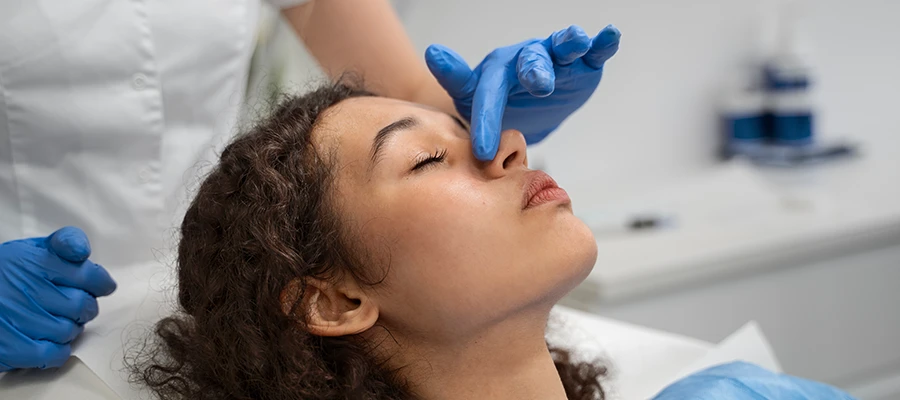
What Is Revision Rhinoplasty?
Revision rhinoplasty is a surgery performed to correct problems that occur after a previous nose surgery. After the first surgery, the shape of the nose may not be as desired. In some people, breathing problems may continue. Nasal tip drooping, asymmetry or a hump appearance may occur.
Revision rhinoplasty aims to re-plan the nose and provide a more balanced appearance. This procedure requires a more detailed evaluation than the first rhinoplasty. This is because the nasal tissues have previously undergone surgery. For a successful result, nasal structure, skin thickness and expectations should be evaluated together.
How Is Revision Rhinoplasty Performed?
Revision rhinoplasty is performed by surgically correcting shape and function problems in the nose again. The surgery is usually performed under general anesthesia. The surgeon carefully evaluates the tissue structure remaining from the previous surgery. If cartilage support is insufficient, cartilage may be taken from the ear or rib.
The nasal bridge, nasal tip and internal support structures are reshaped. If there is a breathing problem, the septum area is also evaluated. Revision rhinoplasty is a delicate procedure planned specifically for each person. The aim is a natural appearance, strong support and healthy breathing function.
Who Is Revision Rhinoplasty Performed On?
Revision rhinoplasty is performed on people who are not satisfied with their previous nose surgery or who have breathing problems. If the nose shape does not meet expectations, the patient may be evaluated again. Revision may be required if there is nasal tip drooping, deviation, collapse or asymmetry.
In some patients, nasal obstruction may continue after surgery. In this case, functional correction may be planned. The patient’s general health condition must be suitable for revision rhinoplasty. Expectations should also be realistic. Not every dissatisfaction requires surgery. A detailed examination and nasal analysis should be performed for the right decision.
When Is Revision Rhinoplasty Performed?
Revision rhinoplasty is usually performed at least 6 to 12 months after the first nose surgery. It takes time for nasal tissues to heal and swelling to decrease. Swelling seen in the early period should not be evaluated as the final result. The shape of the nose may change over the months.
Therefore, the decision for revision should not be rushed. However, if there is a serious breathing problem or structural issue, an earlier evaluation may be performed. The most appropriate time for revision rhinoplasty is determined according to the completion of the healing process. Doctor follow-up plays an important role in the timing of surgery.
Recovery Process After Revision Rhinoplasty
The recovery process after revision rhinoplasty may require longer and more careful follow-up compared to the first surgery. In the first days, swelling, bruising and nasal congestion may occur. These symptoms usually decrease over time. Since the nasal tissues have previously undergone surgery, swelling may last longer.
Keeping the head elevated supports healing. It is necessary to avoid trauma, heavy sports and uncontrolled medication use. Follow-up appointments after revision rhinoplasty should not be neglected. It may take months for the nasal shape to fully settle. Patience is important for a healthy result.
What Are The Risks Of Revision Rhinoplasty?
The risks of revision rhinoplasty include bleeding, infection, breathing problems, asymmetry and the possibility of another surgery. This surgery may be more complex due to previous surgical scars. The cartilage and tissue support inside the nose may be reduced.
This makes planning more important. Swelling, numbness or crusting may occur after surgery. In some patients, the desired result may not be fully achieved. Choosing the right surgeon is important to reduce the risks of revision rhinoplasty. Following the doctor’s recommendations positively affects the recovery process.
Can Nose Shape Be Corrected With Revision Rhinoplasty?
With revision rhinoplasty, the nose shape can be made more balanced and aesthetic in most patients. Irregularities on the nasal bridge, nasal tip problems and asymmetries can be corrected. Collapse or deviation caused by the previous surgery may also be improved. However, the result varies depending on the existing tissue structure.
Skin thickness, cartilage support and healing characteristics are important. Revision rhinoplasty can offer successful results when planned with realistic expectations. The aim is not a perfect nose, but a natural appearance that is harmonious with the face. Breathing function should also be included in the evaluation process.
Revision Rhinoplasty Prices 2026
Revision rhinoplasty prices in 2026 vary depending on the scope of the surgery, the technique and the patient’s needs. This procedure is usually planned in more detail than the first rhinoplasty. The cartilage source to be used may affect the price. Hospital conditions, anesthesia process and surgical difficulty also determine the cost.
If breathing problems are corrected in the same session, the planning may change. For revision rhinoplasty prices, personalized information should be provided after examination. Making a decision based only on price is not right. Surgeon experience, a safe surgical process and realistic planning should be prioritized.
Frequently Asked Questions
What Is The Success Rate Of Revision Rhinoplasty Surgery?
The success rate of revision rhinoplasty surgery varies depending on nasal structure and surgical planning. Success should not be measured only by aesthetic appearance. Breathing function, nasal balance and patient satisfaction are evaluated together. The effects of the previous surgery may make the result more difficult.
Cartilage deficiency, dense scar tissue and skin thickness are important factors. Revision rhinoplasty can provide more controlled results in experienced hands. Realistic expectations directly affect the perception of success. The patient’s compliance with care recommendations is also important. The same result cannot be guaranteed for every patient. Therefore, personalized planning should be performed.
Is Revision Rhinoplasty A Difficult Surgery?
Revision rhinoplasty is a more difficult and technical surgery compared to the first nose surgery. This is because the nasal tissues have previously undergone surgical intervention. Cartilage support may have decreased or its shape may have changed. Scar tissue may be present inside the nose.
This requires the surgeon to work more carefully. Sometimes ear or rib cartilage may need to be used. Revision rhinoplasty requires detailed analysis and strong surgical experience. The level of difficulty is not the same for every patient. The size of the problem, the number of previous surgeries and nasal structure affect the process.
When Does The Nose Settle After Revision Rhinoplasty?
After revision rhinoplasty, the nose usually settles largely within 12 months. In some patients, this period may be longer. This is because swelling may decrease later in revision surgeries. The nasal tip is one of the last areas to settle. In people with thick skin, the result becomes visible more slowly.
Small shape changes in the first months are normal. It is not right to evaluate the result of revision rhinoplasty in the early period. Doctor follow-ups are important for monitoring recovery. Being patient is the most appropriate approach during this process. The final appearance becomes clearer over time.
When Does Swelling Go Down After Revision Rhinoplasty?
Most swelling after revision rhinoplasty decreases within the first few months. However, it may take longer for mild edema to completely disappear. Nasal tip swelling may especially recover later. In the first weeks, swelling appears more noticeable. Over time, the nasal contours become clearer.
Thick skin structure may prolong the healing period. After revision rhinoplasty, the doctor’s recommendations should be followed to reduce swelling. Keeping the head elevated and avoiding trauma are important. Uncontrolled massage or medication use is not recommended. The swelling process varies from person to person.
Is Revision Rhinoplasty Permanent?
Revision rhinoplasty is a surgery that aims for permanent results, but the nose may naturally change over time. The surgically reshaped bone and cartilage structures generally maintain their permanence. After the healing process is complete, the nasal form becomes more stable.
However, aging, skin structure and trauma may affect the appearance. Following care rules after revision rhinoplasty helps preserve the result. Avoiding trauma to the nose is especially important. Permanence is closely related to proper surgical planning and healthy healing. The result does not progress in the same way for every patient.